Some people delay reading the Quran because they think their tajweed must be perfect first. That fear is common, especially for non-Arabic speakers and new learners. If you are asking, ‘Can you read quran without tajweed?’, the answer needs balance. You should not abandon the Quran, but you should not ignore correct recitation either. The rules for reading Quran are there to protect pronunciation and meaning. This article will help you understand what is acceptable, what needs correction, and how to begin learning calmly.
Can You Read Quran Without Tajweed?
Yes, you can, especially if you are still learning. But you should not stay careless about tajweed if you are able to improve.
- Some beginners stop reading the Quran because they are scared of mistakes. That is not the best way. A person should read what they can, then keep fixing their recitation little by little.
- Tajweed is not only about making the voice sound nice. In quran and tajweed, the main concern is giving the letters their right sound and avoiding mistakes that may affect the meaning.
- A weak reader is not the same as a careless reader. Someone who struggles, listens, repeats, and asks for help is already walking in the right direction.
- The rules for quran recitation are there to protect Allah’s words. They guide the tongue in pronunciation, stretching, stopping, and joining words correctly.
- So the answer is balanced: do not leave the Quran because your tajweed is weak, but do not ignore learning either. Read, improve, and let correction become part of your relationship with the Quran.
join our Tajweed Quran Online with certificate
What is the meaning of tajweed?
Tajweed means giving every Quranic letter its proper right when reciting. It covers the place where each letter comes from, the strength or softness of the sound, the length of vowels, and how the reader stops or continues. That is why the question can you read quran without tajweed needs careful understanding.
Tajweed is not decoration for the voice. It is a way of protecting the Quran from careless pronunciation. A small change in a letter, vowel, or stopping place may affect the word’s meaning. For beginners, learning tajweed slowly helps the tongue become cleaner, calmer, and more respectful with Allah’s words.
Is Tajweed Obligatory (Fard) or Recommended (Sunnah)?
Tajweed has two levels: correcting serious recitation mistakes is obligatory as much as a person is able, while perfecting the detailed rules and beautifying the recitation is recommended and learned gradually.
- The most important duty is to protect the words of the Quran from clear mistakes. If a wrong letter, vowel, or pronunciation changes the meaning, the reader should try to fix it and not treat it lightly.
- The basic rules for reading quran help the tongue avoid serious errors, especially in letters that sound close to each other, such as ح and هـ, س and ص, or ذ and ز.
- Not every beginner is expected to master all tajweed rules immediately. Rules like madd, ghunnah, ikhfa, and idgham take time, listening, repetition, and correction from someone qualified.
- If someone asks can you read quran without tajweed, the answer depends on the level of mistake. Weak tajweed with sincere effort is different from careless reading, even when the reader is aware of the error.
- Learning to read quran with tajweed should begin with accuracy before beauty. The aim is not only a pleasant voice but also a respectful and correct recitation of Allah’s words.
read more about Quran Tajweed With English Translation for Beginners and Adults
When Does Mistaking Tajweed Change the Meaning of the Quran?
- A tajweed mistake becomes serious when it changes the word itself, not only the sound. Some beginners mix letters that feel close on the tongue, like ح and هـ, ص and س, or ق and ك, but in Arabic this can turn the word into something else.
- Vowels can also change meaning. A small movement, such as fatḥah, kasrah, or ḍammah, may change the grammar of the sentence, who is doing the action, or how the word is understood.
- Stopping in the wrong place can confuse the meaning too. Some verses need to be completed before the reader pauses, because stopping too early may leave the idea unclear.
- So, when someone asks can you read quran without tajweed, the concern is not every small beginner slip. The real concern is repeating mistakes that affect Allah’s words.
- A beginner should start with clear letters, correct vowels, and careful stopping before worrying about advanced rules. Accuracy comes before speed.
How Long Does It Take to Learn online tajweed course with certificate?
- Learning tajweed is not something that finishes in one fixed number of weeks. Some people already read Arabic well, so they only need to clean up mistakes. Others are still struggling with letters, vowels, and slow reading.
- The first part usually takes the longest. A beginner needs to know where letters come from, especially letters like ع، ح، ق، ص، ض. These sounds cannot be fixed by theory only; they need listening and repeating.
- After that, rules like madd, ghunnah, ikhfa, and qalqalah become easier to understand because the tongue is already more stable.
- A person can notice improvement in a few months if they practice regularly, but strong recitation may take longer.
- So if someone asks can you read quran without tajweed, the fair answer is: keep reading, but keep learning too. Tajweed grows slowly with correction, not with rushing.
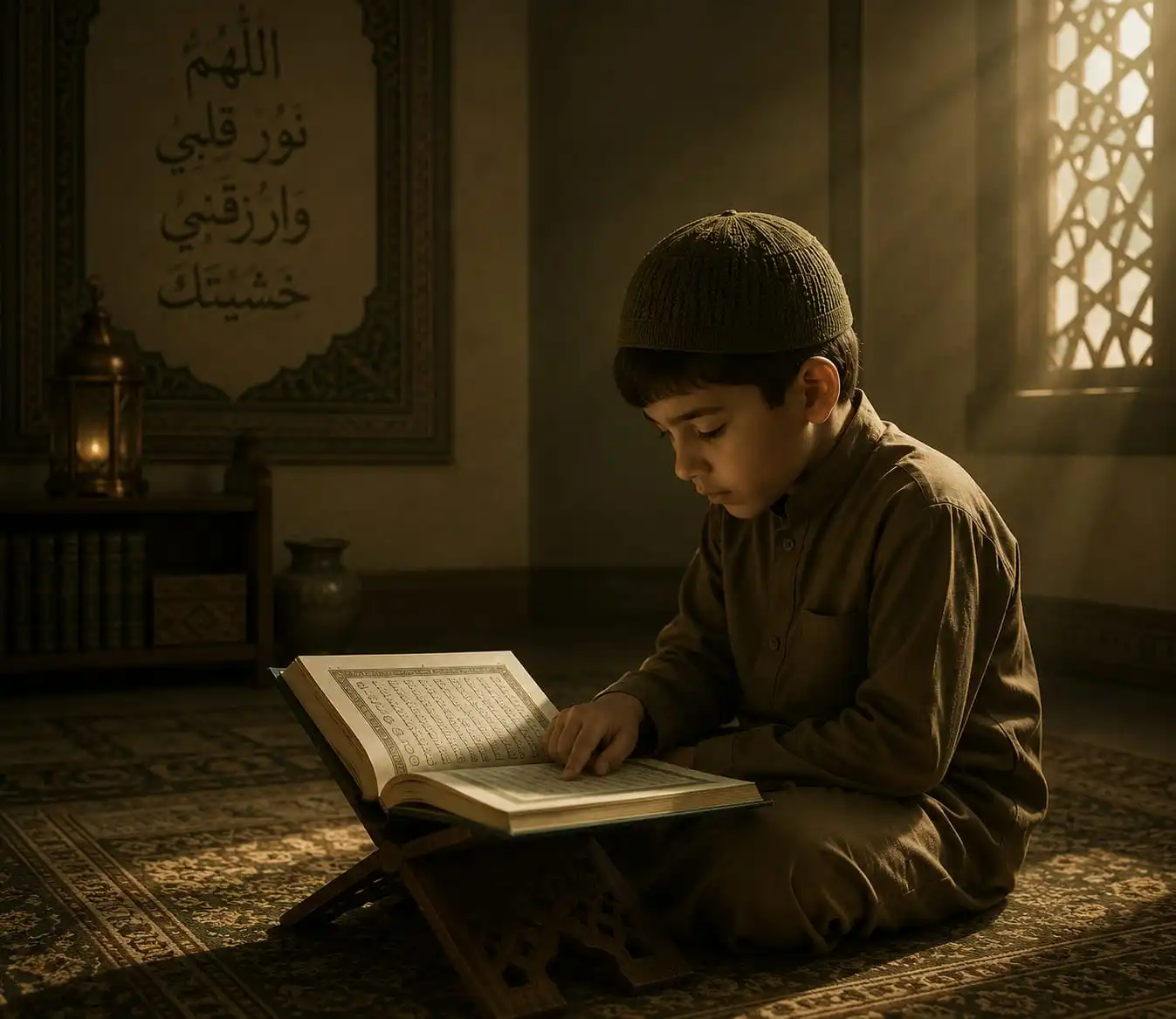
Should Beginners Wait Until They Learn Tajweed Before Reading Quran?
- A beginner should not wait until tajweed becomes perfect. Waiting can turn into distance from the Quran, and the heart may keep delaying for months or years.
- Reading and learning should happen together. A new learner can recite short surahs, listen to correct recitation, and slowly fix the letters instead of stopping completely.
- The main danger is not weak ability; it is carelessness. A person who struggles but keeps trying is different from someone who knows the mistake and refuses to correct it.
- Beginners should read slowly, not loudly or quickly. Slow reading gives the tongue time to notice letters, vowels, and pauses instead of rushing through hidden mistakes.
- Small portions are safer at the start. A few verses read carefully with correction are better than many pages repeated with the same wrong pronunciation.
- A teacher can make the beginning much easier. Many mistakes are hard to hear alone, especially in makharij, madd, and stopping places.
Explore our Quran Memorization Course
Common Fears Beginners Have About Reading Quran Incorrectly
- Many beginners feel scared that every mistake is sinful. The truth is that struggling while trying to improve is not the same as being careless. A learner who repeats, listens, and asks for correction is already showing respect for the Quran.
- Some people fear their voice is not beautiful enough. Quran recitation is not judged by melody first. The more important matter is sincerity, correct letters, clear vowels, and reading with humility.
- A common fear is mixing similar Arabic letters. Letters like ح and هـ, or ص and س, need time. This is why people who learn quran recitation with tajweed should begin slowly, not rush to long passages.
- If someone asks can you read quran without tajweed, the fear behind the question is often genuine. The answer should lead them toward learning, not make them leave the Quran.
- Beginners who want to learn quran reading with tajweed for beginners should start with short surahs, repeated listening, and teacher correction. Small progress is still progress.
Can Non-Arabic Speakers Read the Quran Without Tajweed?
- Non-Arabic speakers can read the Quran while they are still learning. The beginning may be slow because the tongue is meeting sounds it does not use in daily speech, especially letters like ع، ح، ق، ض، and خ.
- The main problem is usually not memory, but sound. A learner may see the letter clearly on the page, yet still pronounce it like a similar letter from their own language.
- They should not wait until everything is perfect. If a person keeps delaying, fear can become a wall between them and the Quran.
- At the same time, pronunciation should not be ignored. Some Arabic letters carry different meanings, so a small sound mistake may sometimes change the word.
- Listening helps, but listening alone is not always enough. A teacher can hear hidden mistakes that the learner may repeat for months without noticing.
- The best start is short and careful. A few verses with correction, repetition, and patience are better than long reading full of unfixed errors.
Read more about Enrich Your Faith with the Best Islamic Online Courses
Differences between Reading Quran Without Tajweed vs. With Tajweed:
| Point | Reading Quran Without Tajweed | Reading Quran With Tajweed |
|---|---|---|
| Pronunciation | The reader may recite the words, but some letters can sound unclear, especially close letters like ح and هـ or ص and س. | The reader gives each letter its proper sound, so the recitation becomes clearer and closer to the correct Arabic pronunciation. |
| Meaning | Some mistakes may be light, but others can affect the meaning if a letter, vowel, or stopping place changes. | Tajweed helps protect the meaning by following the main rules for reading Quran carefully. |
| Confidence | A beginner may feel nervous, especially when reading in front of others. | The reader usually feels more settled because mistakes are corrected through practice. |
| Speed | Reading may be rushed, with hidden errors repeated many times. | The pace becomes slower and more controlled, especially at the beginning. |
| Learning value | If someone asks can you read Quran without tajweed, the answer is that weak reading can still improve. | When you read Quran with tajweed, the recitation becomes more respectful, accurate, and steady over time. |
Can Allah Reward You Even If Your Tajweed Is Weak?
- Yes, a person can still be rewarded if their tajweed is weak, as long as they are trying and not being careless. Allah knows the effort behind slow reading, repeated mistakes, and every attempt to fix the tongue.
- Weak recitation does not mean the person is far from the Quran. Sometimes the one who struggles with quran and tajweed has more patience than someone who reads easily.
- The Prophet ﷺ gave comfort to the one who finds recitation difficult, so a beginner should not feel that effort is wasted.
- When someone asks can you read quran without tajweed, the answer should not make them afraid of the Quran. It should remind them to read and keep learning at the same time.
- The rules for quran recitation are important because they protect the words of Allah, but they are learned step by step.
- A weak reader should not stop. A few careful verses with sincere effort may be better than leaving the Quran completely out of fear.
Can You Pray Without Knowing Tajweed?
- Yes, you can pray if you do not know tajweed fully. A Muslim is not expected to leave prayer because their recitation is still weak or because they are still learning the rules.
- The part that needs the most care is Al-Fatihah. Since it is read in every rak‘ah, a beginner should try to fix its letters, vowels, and common mistakes first.
- Not knowing advanced tajweed does not mean the prayer is automatically wrong. Rules like ghunnah, ikhfa, and madd details take time, and many learners improve them slowly.
- The serious issue is when a mistake changes the meaning clearly. If a person finds out they are saying a word in the wrong way, they should correct it instead of continuing the same error.
- Prayer and learning should move together. Keep praying, keep reading, and improve little by little.
- Sometimes one short lesson with a teacher can fix mistakes that a person has repeated for years without noticing.
Read more about Complete Guide on How to Do Sajdah for Quran?
What Is the Importance of Learning Tajweed?
- Tajweed helps the reader slow down with the Quran. Instead of rushing through the words, the reader starts to hear the letters, notice the vowels, and pay attention to where the verse should pause or continue.
- Its value is not only in making the voice sound beautiful. The main purpose is to protect the pronunciation of Allah’s words and avoid careless changes in letters or sounds.
- Some Arabic letters are close on the tongue, such as ح and هـ, ص and س, or ق and ك. Without correction, the same mistake can stay in the memory for years.
- Tajweed also helps the reader respect the meaning of the verse. A wrong stop can cut the sentence in a confusing place, even if the letters themselves are correct.
- When someone asks can you read quran without tajweed, they usually need guidance, not fear. They should keep reading, but also start fixing their recitation step by step.
- Over time, tajweed gives the reader more confidence. They recite with less panic, fewer repeated mistakes, and more attention to the Quran.
How to Start Learning Tajweed as a Complete Beginner?
- Start with the sounds of the letters before memorising many rules. A beginner should know where the letter comes from: throat, tongue, lips, or nasal sound. This makes the rest of tajweed much easier later.
- Do not begin with long lessons. Take one small rule at a time, then apply it in short surahs you already know. Learning theory without reciting usually does not stay.
- Listen to a careful reciter, but do not depend on listening only. Many beginners repeat a sound wrongly while thinking it is correct, so teacher correction is very important.
- Give special care to Al-Fatihah first. It is read in every prayer, so fixing its letters, vowels, and pauses should come before moving into harder passages.
- Read slowly, even if it feels too slow. Speed hides mistakes, but slow recitation shows where the tongue is weak.
- Keep a small notebook for repeated mistakes. If the same letter or rule keeps coming back, that is where your next practice should focus.
read more about Revelation Recording and Memorisation of the Holy Quran
Can I Learn Tajweed by Myself?
- You can begin on your own, especially with simple things like the Arabic letters, short vowels, long vowels, and listening to a slow reciter.
- But tajweed is not only information you read. It is sound. You may think you are saying a letter correctly, while the sound is still coming from the wrong place.
- This happens a lot with letters from the throat, like ع and ح, and with heavy letters like ص، ض، ط، ظ. These need someone to hear you, not just a video to watch.
- Learning alone can help you practise, but it should not be the whole path if you want safer recitation.
- A teacher can notice small mistakes early, especially in makharij, madd, ghunnah, and stopping places.
- So start alone if that is what you can do now, but try to read to a qualified teacher whenever possible. Tajweed becomes clearer when someone corrects your actual voice.
Conclusion
Reading the Quran should not become something you avoid because your tajweed is weak. A Muslim can begin with what they know, read slowly, and correct mistakes as they appear. The question can you read quran without tajweed should lead to balance, not fear. Do not leave the Quran, and do not stay careless about pronunciation either. Tajweed helps protect the words, the meaning, and the heart’s attention while reciting. For beginners who need a calmer start, bonyan Academy can help them learn step by step, without pressure or confusion.Contact us and get the free trial
FAQs
Is my Quran recitation accepted if my tajweed is weak?
Allah knows the difference between someone who is trying and someone who does not care. If you are learning and correcting your mistakes, your effort is valuable and accepted by Allah.
Should I learn tajweed before memorising Quran?
It is better to learn the basics first, especially correct pronunciation of letters, vowels, and common mistakes. Memorising with repeated errors can make them harder to fix later.
Can I learn tajweed online?
Yes. Online tajweed classes can be very effective if the teacher listens to your recitation and corrects you directly, not just explains the rules. Personal correction is the key.
What is the easiest way to start tajweed?
Start with Surah Al-Fatihah because it is recited in every prayer. Then move to short surahs and focus on the letters or sounds you often mix up. Small, consistent steps are enough at the beginning.